

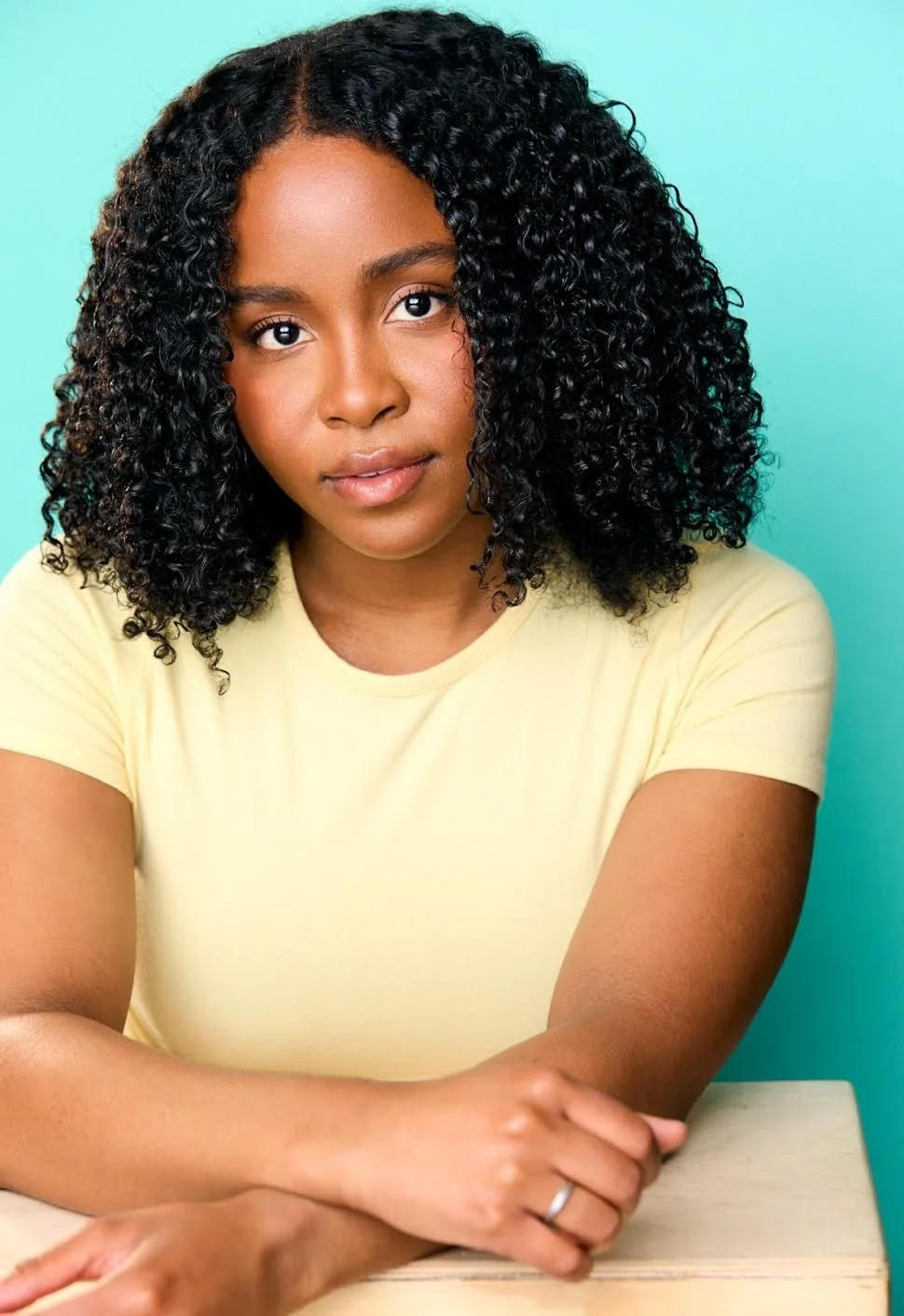
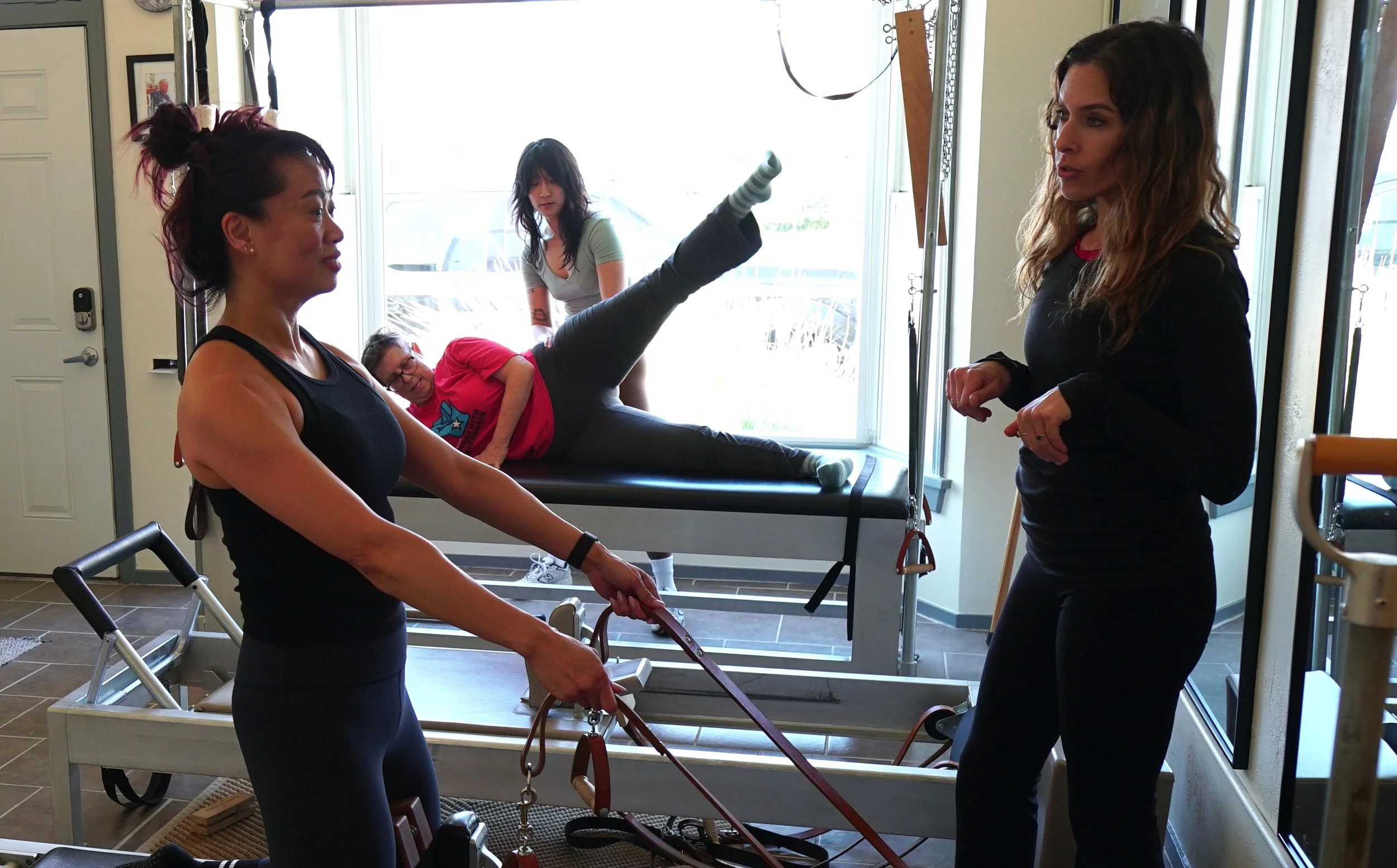
Many of you have probably seen Kerrynton Jones around the studio over the past several months — that’s because she’s been accepted as an apprentice at Pilates DNA and is fully immersing herself in the Jay Grimes Pilates lineage. Kerrynton fit right in from day one, quickly becoming a vital and enthusiastic part of our close-knit studio community. She is currently available for private lessons at the discounted apprentice rate: BOOK HERE
I have been thinking a lot about Pilates vocabulary lately. Not just the obvious words, like Classical, Contemporary, Reformer, Mat, etc., but also terms that can carry a kind of borrowed authority. Words that sound serious, suggesting depth, lineage, care, and tradition.
One of those words is apprenticeship.
Consider this all-too-common complaint about Pilates being overly complicated. Criticisms can take the form of:
“There’s too much to think about.”
“Too many things to remember.”
“I’m overwhelmed.”
“I never know what I’m supposed to focus on.”
“Every teacher tells me something different.”
“I don’t know where to start.”
Well, I have good news: The Pilates method is not incoherent and overly complex. It is quite simple, actually. The problem—and the reason for negative, fear-response reactions—stems from modern delivery. If your Pilates experience feels like an existential threat, you are doing it wrong. So, let’s fix that.
There is a clear link between supplemental Pilates certificates like the perinatal courses described above and inadequate Pilates teacher training. Most Pilates certification programs do not teach Pilates as a method and that presents a real problem in maintaining a throughline for passing down Joe’s work with intention and direction.
What I have consistently observed is that a truly skilled Pilates teacher—one who understands the method in its entirety and knows how to teach it to ANY BODY—won’t feel the need to supplement their Pilates training like this in the first place.